Viqua UV Sterilization Systems and Replacement Parts
Showing 1–100 of 136 results
-

UV Max Model E4 Ultraviolet Sterilizer System, 22 GPM w/ LED Lamp Life Reminder
$857.00- Commercial UV System
- 99.99% Destruction of Bacteria, Cysts & Virus
- 22 Gallons Per Minute
- 2 Year Lamp Life
- 1″ – 1.25″ Combo Port
Out of StockClearance -
Ultraviolet Sterilizer System 22 GPM with UV Intensity Monitor, Viqua E4 Plus Professional Series
$1,197.00 Clearance- Commercial UV System
- 99.99% Destruction of Bacteria, Cysts & Virus
- 22 Gallons Per Minute
- UV Intensity Monitor
- 1″ MPT Connections
-
Housing Wrench for Viqua BB Housings, WR40-50
$16.00 -
Sterilight QL-200 UV Sterilizer Lamp/Quartz Sleeve Combo Replacement
$172.00- Lamp/Sleeve Combo for VH200 & VH200-F-10
- Replacing Sleeve can Increase UV Transmittance
- Saves Money vs Ordering Separately
- Sleeves Can Build Up with Hardness & Scale
- O-rings Included
-
Sterilight QL-410 UV Sterilizer Lamp/Quartz Sleeve Combo Replacement
$207.00- Lamp/Sleeve Combo for VH410, VH410M & VH410-F20
- Replacing Sleeve can Increase UV Transmittance
- Saves Money vs Ordering Separately
- Sleeves Can Build Up with Hardness & Scale
- O-rings Included
-
Sterilight UV Sterilizer Lamp/Quartz Sleeve Combo for VP600 Systems
$236.00- Lamp/Sleeve Combo for VP600
- Replacing Sleeve can Increase UV Transmittance
- Saves Money vs Ordering Separately
- Sleeves Can Build Up with Hardness & Scale
- O-rings Included
-
Sterilight S330-QL UV Sterilizer Lamp/Quartz Sleeve Combo
$154.00- Lamp/Sleeve Combo for VT4, S2Q-PA & SSM-17
- Replacing Sleeve can Increase UV Transmittance
- Saves Money vs Ordering Separately
- Sleeves Can Build Up with Hardness & Scale
- O-rings Included
-
Sterilight S463-QL UV Sterilizer Lamp/Quartz Sleeve Combo
$156.00- Lamp/Sleeve Combo for S5Q-PA & SSM-24
- Replacing Sleeve can Increase UV Transmittance
- Saves Money vs Ordering Separately
- Sleeves Can Build Up with Hardness & Scale
- O-rings Included
-
Sterilight S36-QL UV Sterilizer Lamp/Quartz Sleeve Combo
$221.00- Lamp/Sleeve Combo for S12Q-PA & SSM-39
- Replacing Sleeve can Increase UV Transmittance
- Saves Money vs Ordering Separately
- Sleeves Can Build Up with Hardness & Scale
- O-rings Included
-
Sterilight S810-QL UV Sterilizer Lamp/Quartz Sleeve Combo
$193.00- Lamp/Sleeve Combo for S8Q-PA & SSM-37
- Replacing Sleeve can Increase UV Transmittance
- Saves Money vs Ordering Separately
- Sleeves Can Build Up with Hardness & Scale
- O-rings Included
-
Sterilight S100RL-HO UV Sterilizer Lamp Replacement
$141.00- Don’t be Fooled by a Knock-Off
- Original Sterilight Lamp
- Replacement Lamp for SPV-1.5 & SP100-HO
-
Sterilight S150RL-HO UV Sterilizer Lamp Replacement
$141.00- Don’t be Fooled by a Knock-Off
- Original Sterilight Lamp
- Replacement Lamp for SPV-2.5 & SP150-HO
-
Sterilight S200RL-HO UV Sterilizer Lamp Replacement
$143.00- Don’t be Fooled by a Knock-Off
- Original Sterilight Lamp
- Replacement Lamp for VH200, SC-200, SCM-320 & Others
-
Sterilight S320RL-HO UV Sterilizer Lamp Replacement
$163.00- Don’t be Fooled by a Knock-Off
- Original Sterilight Lamp
- Replacement Lamp for SC320, SCM-320 & Others
-
Sterilight S410RL-HO UV Sterilizer Lamp Replacement
$167.00- Don’t be Fooled by a Knock-Off
- Original Sterilight Lamp
- Replacement Lamp for VH410, VH410M & Others
-
Sterilight S600RL-HO UV Sterilizer Lamp Replacement
$178.00- Don’t be Fooled by a Knock-Off
- Original Sterilight Lamp
- Replacement Lamp for VP600, VP600M & Others
-
Sterilight S740RL-HO UV Sterilizer Lamp Replacement
$193.00- Don’t be Fooled by a Knock-Off
- Original Sterilight Lamp
- Replacement Lamp for SPV-740, SP-740-HO & Others
-
Sterilight S950RL-HO UV Sterilizer Lamp Replacement
$195.00- Don’t be Fooled by a Knock-Off
- Original Sterilight Lamp
- Replacement Lamp for VP950, VP950M & Others
-
Sterilight S212RL UV Sterilizer Lamp Replacement
$99.00- Don’t be Fooled by a Knock-Off
- Original Sterilight Lamp
- Replacement for SQ-PA & Others
-
Sterilight S287RL UV Sterilizer Lamp Replacement
$119.00- Don’t be Fooled by a Knock-Off
- Original Sterilight Lamp
- Replacement for S1Q-PA, SSM-14 & Others
-
Sterilight S330RL UV Sterilizer Lamp Replacement
$121.00- Don’t be Fooled by a Knock-Off
- Original Sterilight Lamp
- Replacement for S2Q-PA, SSM-17 & Others
-
Sterilight S463RL UV Sterilizer Lamp Replacement
$123.00- Don’t be Fooled by a Knock-Off
- Original Sterilight Lamp
- Replacement for S5Q-PA, SSM-24 & Others
-
Sterilight S810RL UV Sterilizer Lamp Replacement
$158.00- Don’t be Fooled by a Knock-Off
- Original Sterilight Lamp
- Replacement for S8Q-PA, SSM-37 & Others
-
Sterilight S36RL UV Sterilizer Lamp Replacement
$161.00- Don’t be Fooled by a Knock-Off
- Original Sterilight Lamp
- Replacement for S12Q-PA, SSM-39 & Others
-
Sterilight QS-001 UV Quartz Sleeve Replacement
$52.00- Original Sterilight Quartz Sleeve
- O-rings Included
-
Sterilight QS-012 UV Quartz Sleeve Replacement
$101.00- Original Sterilight Quartz Sleeve
- O-rings Included
-
Sterilight QS-100 UV Quartz Sleeve Replacement
$54.00- Original Sterilight Quartz Sleeve
- O-rings Included
Out of Stock -
Sterilight QS-150 UV Quartz Sleeve Replacement
$65.00- Original Sterilight Quartz Sleeve
- O-rings Included
-
Sterilight QS-200 UV Quartz Sleeve Replacement
$67.00- Original Sterilight Quartz Sleeve
- O-rings Included
-
Sterilight QS-212 UV Quartz Sleeve Replacement
$46.00- Original Sterilight Quartz Sleeve
- O-rings Included
-
Sterilight QS-320 UV Quartz Sleeve Replacement
$75.00- Original Sterilight Quartz Sleeve
- O-rings Included
-
Sterilight QS-330 UV Quartz Sleeve Replacement
$60.00- Original Sterilight Quartz Sleeve
- O-rings Included
-
Sterilight QS-410 UV Quartz Sleeve Replacement
$88.00- Original Sterilight Quartz Sleeve
- O-rings Included
-
Sterilight QS-463 UV Quartz Sleeve Replacement
$61.00- Original Sterilight Quartz Sleeve
- O-rings Included
-
Sterilight QS-600 UV Quartz Sleeve Replacement
$94.00- Original Sterilight Quartz Sleeve
- O-rings Included
-
Sterilight QS-740 UV Quartz Sleeve Replacement
$114.00- Original Sterilight Quartz Sleeve
- O-rings Included
-
Sterilight QS-810 UV Quartz Sleeve Replacement
$67.00- Original Sterilight Quartz Sleeve
- O-rings Included
-
Sterilight QS-950 UV Quartz Sleeve Replacement
$139.00- Original Sterilight Quartz Sleeve
- O-rings Included
-
Sterilight QSO-150 UV Quartz Sleeve Replacement for VH150 Systems
$49.00- Original Sterilight Quartz Sleeve
- O-rings Included
-
Sterilight QSO-410 UV Quartz Sleeve Replacement
$88.00- Original Sterilight Quartz Sleeve
- O-rings Included
-
Sterilight QSO-600 UV Quartz Sleeve Replacement: VP600 System
$90.00- Original Sterilight Quartz Sleeve
- O-rings Included
-
Sterilight QSO-950 UV Quartz Sleeve Replacement
$134.00- Original Sterilight Quartz Sleeve
- O-rings Included
-
Ultraviolet Sterilizer System, 1 GPM, Viqua VT1 Tap Series
$332.00- Under Sink UV System
- 99.99% Destruction of Bacteria, Cysts & Virus
- 1 Gallon Per Minute
- Easy Installation
- 3/8″-1/2″ Combo MPT Connections
-
UV Sterilizer Lamp/Quartz Sleeve Combo for UV Max C, C4, D, D4 & D4 PLUS Systems
$203.00- Lamp/Sleeve Combo for C, C4, D, D4 & D4 Plus
- Replacing Sleeve can Increase UV Transmittance
- Saves Money vs Ordering Separately
- Sleeves Can Build Up with Hardness & Scale
- O-rings Included
-
UV Sterilizer Lamp/Quartz Sleeve Combo for UV Max E4 & E4 PLUS Systems
$234.00- Lamp/Sleeve Combo for E4 &E4 Plus
- Replacing Sleeve can Increase UV Transmittance
- Saves Money vs Ordering Separately
- Sleeves Can Build Up with Hardness & Scale
- O-rings Included
-
UV Sterilizer Lamp Replacement for UV Max Model A
$143.00- Don’t be Fooled by a Knock-Off
- Original UVMax Lamp
- Replacement Lamp for UV Max Model A
-
UV Sterilizer Lamp Replacement for UV Max B & B4
$171.00- Don’t be Fooled by a Knock-Off
- Original UVMax Lamp
- Replacement Lamp for UV Max Model B
-
Replacement UV Sterilizer Lamp for UV Max Model C, C4, D/Plus, & D4/Plus Systems
$171.00- Don’t be Fooled by a Knock-Off
- Original UVMax Lamp
- Replacement Lamp for UV Max all C & D Models
-
Replacement UV Sterilizer Lamp for UV Max E/Plus, E4/Plus & PRO7 Systems
$190.00- Don’t be Fooled by a Knock-Off
- Original UVMax Lamp
- Replacement Lamp for UV Max all E Models & PRO 7
-
UV Max UV Sterilizer Lamp Replacement F/Plus, F4/Plus & PRO15 Systems
$205.00- Don’t be Fooled by a Knock-Off
- Original UVMax Lamp
- Replacement Lamp for UV Max all F Models & PRO 15
-
UV Max UV Sterilizer Lamp Replacement PRO20 & H/Plus Systems
$386.00- 2 Year Lamp Life
- Amalgam UV Lamp
- Original UVMax Lamp
- Replacement Lamp for UV Max PRO 20 & H Models
-
2 Year UV Sterilizer Lamp Replacement for UV Max PRO10 & G/Plus Systems
$326.00- 2 Year Lamp Life
- Amalgam UV Lamp
- Original UVMax Lamp
- Replacement Lamp for UV Max PRO 10 & G Models
-
UV Max UV Sterilizer Lamp Replacement for J/Plus, K/Plus, PRO30, PRO50, S80, SM80 & SV50 Systems
$427.00- 2 Year Lamp Life
- Amalgam UV Lamp
- Original UVMax Lamp
- Replacement Lamp for UV Max PRO 30 & PRO 50
-
UV Max Model A UV Quartz Sleeve Replacement
$57.00- Original UVMax Quartz Sleeve
- O-rings Included
-
UV Max Quartz Sleeve for B & B4 Systems
$57.00- Original UVMax Quartz Sleeve
- O-rings Included
-
UV Max Quartz Sleeve: C/C4, D/Plus & D4/Plus Systems
$71.00- Original UVMax Quartz Sleeve
- O-rings Included
-
UV Max Quartz Sleeve for E/Plus & E4/Plus Systems
$86.00- Original UVMax Quartz Sleeve
- O-rings Included
-
UV Max Quartz Sleeve for F/Plus & F4/Plus Systems
$101.00- Original UVMax Quartz Sleeve
- O-rings Included
-
UV Max Quartz Sleeve for G/G Plus & PRO10 Systems
$92.00- Original UVMax Quartz Sleeve
- O-rings Included
-
UV Max Quartz Sleeve for H/Plus & PRO20 Systems
$99.00- Original UVMax Quartz Sleeve
- O-rings Included
-
UV Max Quartz Sleeve: J/Plus, K/Plus, PRO30 & PRO50 Systems
$111.00- Original UVMax Quartz Sleeve
- O-rings Included
-
Ultraviolet Sterilizer System 45 GPM, Viqua H Professional Series with Intuitive Controller
$2,903.00- Commercial UV System
- 99.99% Destruction of Bacteria, Cysts & Virus
- 45 Gallons Per Minute
- 2 Year Lamp Life
- 1″ – 1.25″ Combo Port
-
Ultraviolet Sterilizer System 45 GPM with Intuitive Controller & UV Intensity Monitor, Viqua H Plus Professional Series
$3,417.00- Commercial UV System
- 99.99% Destruction of Bacteria, Cysts & Virus
- 45 Gallons Per Minute
- 2 Year Lamp Life / UV Intensity Monitor
- 1″ – 1.25″ Combo Port
-
Ultraviolet Sterilizer System with Intuitive Controller 80 GPM, Viqua K Professional Series
$7,136.00- Commercial UV System
- 99.99% Destruction of Bacteria, Cysts & Virus
- 80 Gallons Per Minute
- 2 Year Lamp Life
- 2″ FNPT Connections
-
Ultraviolet Sterilizer System 80 GPM with Intuitive Controller & UV Intensity Monitor, Viqua K Plus Professional Series
$7,684.00- Commercial UV System w Intensity Monitor
- 99.99% Destruction of Bacteria, Cysts & Virus
- 80 Gallons Per Minute
- 2 Year Lamp Life
- 2″ FNPT Connections
-
Ultraviolet Sterilizer System 10 GPM with UV Intensity Monitor, Viqua PRO10 Professional Series
$3,171.00- Commercial UV System
- 99.99% Destruction of Bacteria, Cysts & Virus
- 10 Gallons Per Minute
- 2 Year Lamp Life
- 1″ – 1.25″ Combo Port
-
Ultraviolet Sterilizer System 20 GPM with UV Intensity Monitor, Viqua PRO20 Professional Series
$3,838.00- Commercial UV System
- 99.99% Destruction of Bacteria, Cysts & Virus
- 20 Gallons Per Minute
- 2 Year Lamp Life
- 1″ – 1.25″ Combo Port
-
Ultraviolet Sterilizer System 30 GPM with UV Intensity Monitor, Viqua PRO30 Professional Series
$5,028.00- Commercial UV System
- 99.99% Destruction of Bacteria, Cysts & Virus
- 30 Gallons Per Minute
- 2 Year Lamp Life
- 1″ – 1.25″ Combo Port
-
Ultraviolet Sterilizer System 50 GPM with UV Intensity Monitor, Viqua PRO50 Professional Series
$8,963.00- Commercial UV System
- UV Intensity Monitor
- 50 Gallons Per Minute UV System
- NSF Certified System
- 2″ MPT Connections
-
Viqua LCD Replacement UV Ballast (Model D4 Plus, E4/Plus, F4/ F4 Plus, & IHS22-E4)
$706.00 -
Replacement UV Max Ballast for Model G
$1,372.00 -
Replacement UV Max Ballast for Model G Plus
$1,372.00 -
Replacement UV Max Ballast for Model G Plus Systems 1994-2008
$1,245.00 -
Replacement UV Max Ballast for Model G Systems from 1994-2008
$1,295.00 -
Replacement UV Max Ballast for Model H
$1,490.00 -
Replacement UV Max Ballast for Model H Plus
$1,490.00 -
Replacement UV Max Ballast for Model H Plus Systems 1994-2008
$1,245.00 -
Replacement UV Max Ballast for Model H Systems from 1994-2008
$1,245.00 -
Replacement UV Max Ballast for Model J Plus
$1,372.00 -
Replacement UV Max Ballast for Model J Plus Systems 1994-2008
$1,245.00 -
Replacement UV Max Ballast for Model J Systems
$1,372.00 -
Replacement UV Max Ballast for Model J Systems from 1994-2008
$1,245.00 -
Replacement UV Max Ballast for Model PRO 10
$1,490.00 -
Replacement UV Max Ballast for Model PRO 20
$1,490.00 -
Replacement UV Max Ballast for Model PRO 30
$1,490.00 -
Replacement UV Max Ballast for PRO 10 Systems 1994-2008
$1,539.00 -
Replacement UV Max Ballast for PRO 20 Systems 1994-2008
$1,539.00 -
Replacement UV Max Ballast for PRO 30 Systems 1994-2008
$1,539.00 -
Viqua Replacement UV Ballast (Model B4/B4-V, C4/C4-V, D4/D4-V, IHS12-D4, & IHS22-D4)
$525.00 -
Replacement UV Max Ballast for Model B & C Systems 1994-2008
$568.00 -
Replacement UV Max Ballast: Model D, D PLUS, E, E PLUS, F, F PLUS, PRO7 & PRO15 Systems from 1994-2008
$785.00 -
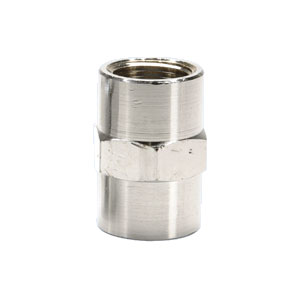
Ultraviolet Sterilizer Flow Restrictor, 316L Stainless Steel 1″ Female Ports
$121.00 -
Sleeve Bolt for UV Max Ultraviolet Sterilization Systems
$12.00 -
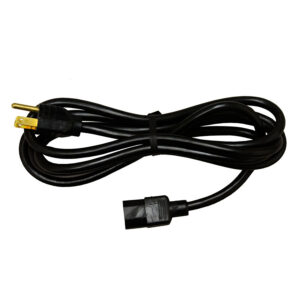
Ultraviolet Sterilization Power Cord (Sterilight & UV Max Systems)
$21.00 -
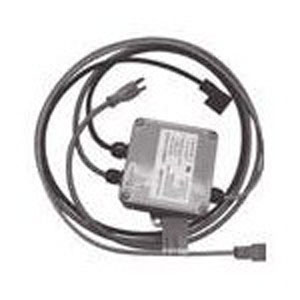
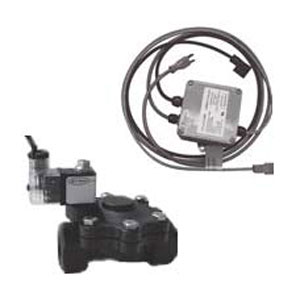
Ultraviolet Sterilizer Solenoid (UV Max)/Remote Alarm Junction Box – 120V for D4/D PLUS, E4/E PLUS, F4/F PLUS Series
$325.00 -
Ultraviolet Sterilizer Solenoid Kit w/ Junction Box, 120V – 1″ NPT for UV Max E4 PLUS and F4 PLUS
$832.00 -
Ultraviolet Sterilizer Solenoid Kit w/ Junction Box, 120V – 3/4″ NPT for UV Max D4 PLUS Systems
$787.00 -
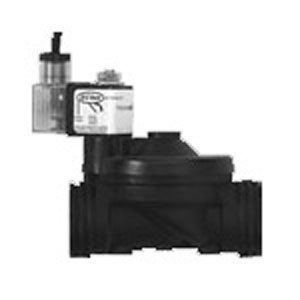
Ultraviolet Sterilizer Solenoid Valve Kit for UV Max G PLUS, H PLUS, J PLUS, and PRO 10, 20, 30 Series
$694.00 -
Ultraviolet Sterilizer Intensity Sensor for UV Max D4 Plus/E4 Plus/F4 Plus 3-1/2″ & 4″ Chambers
$441.00 -
Ultraviolet Sterilizer Intensity Sensor for UV Max G, H, J, K Plus, Pro 10, 20, 30 & 50 Series Systems
$554.00
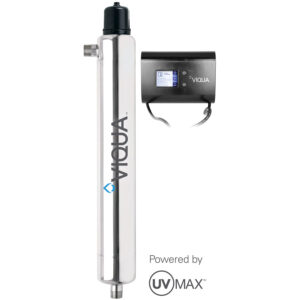
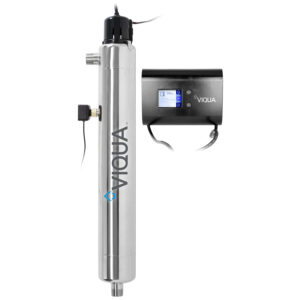

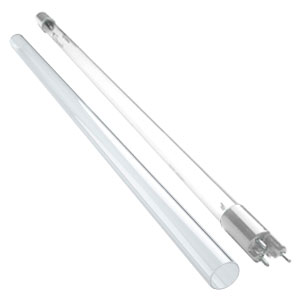
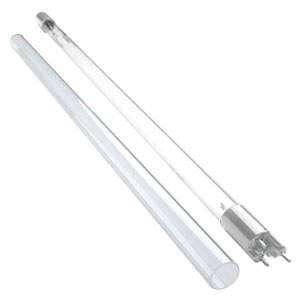
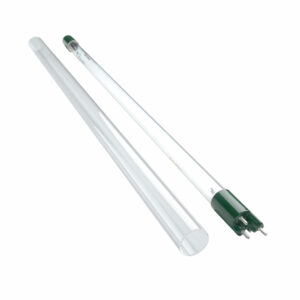
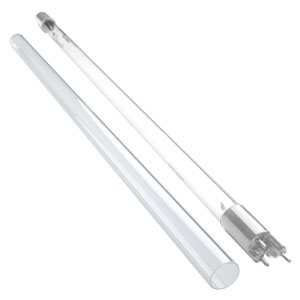
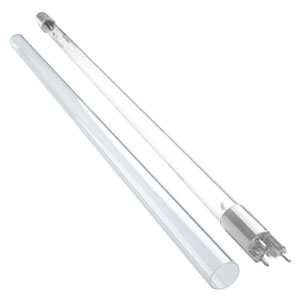
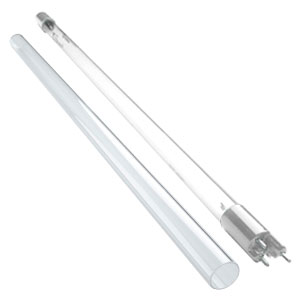
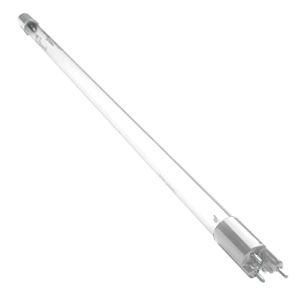
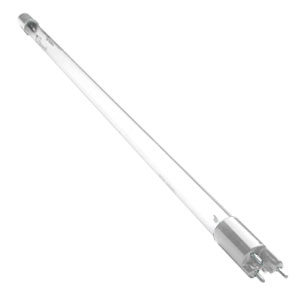
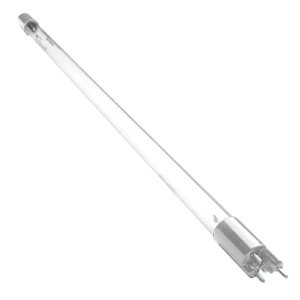
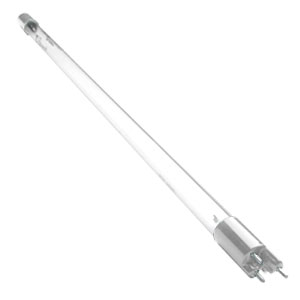
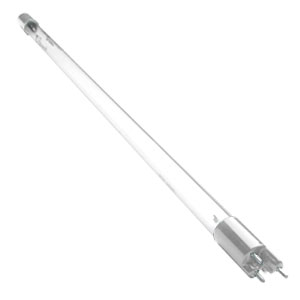
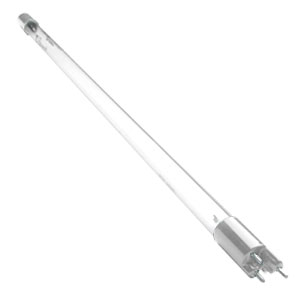
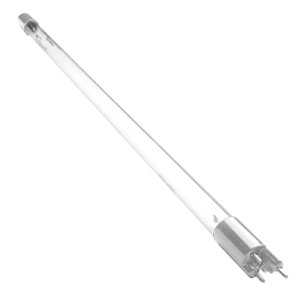
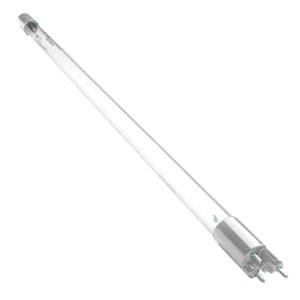
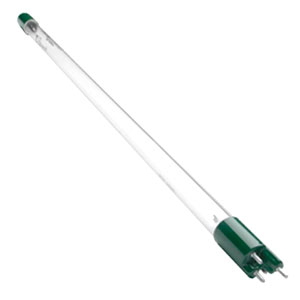
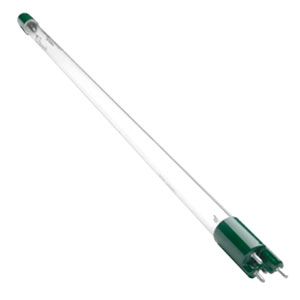
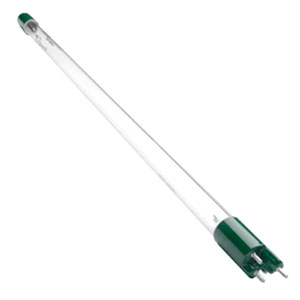
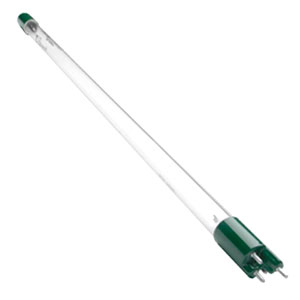
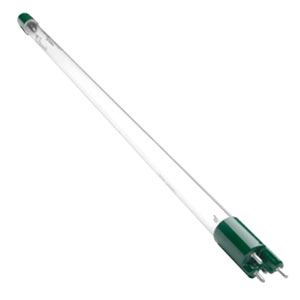
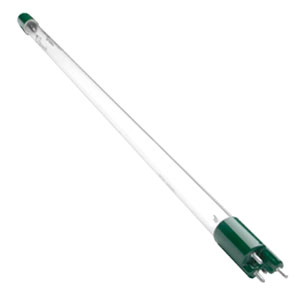
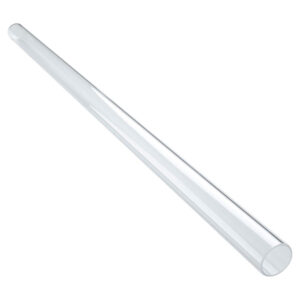
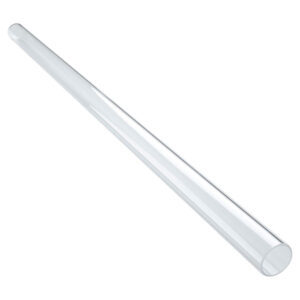
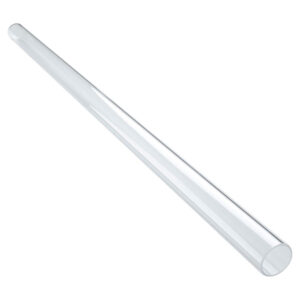
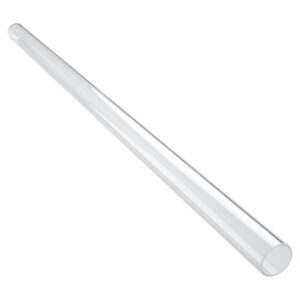
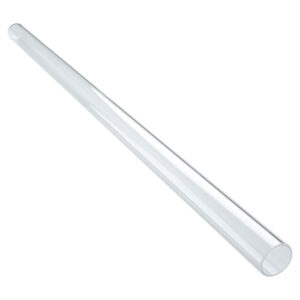
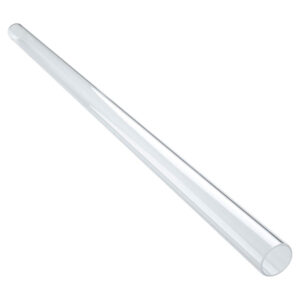
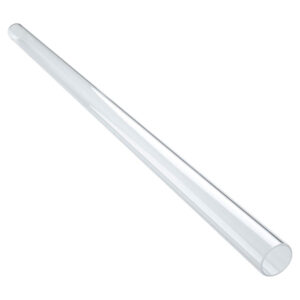
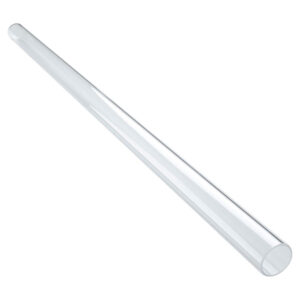
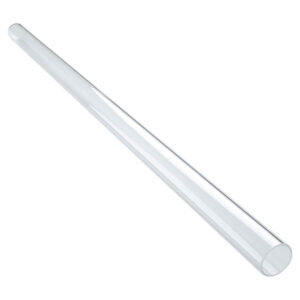
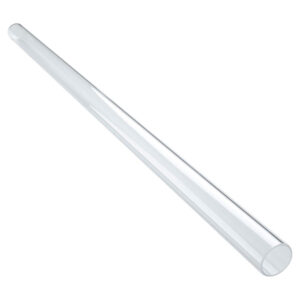
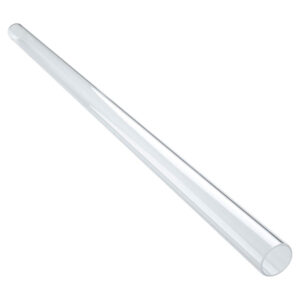
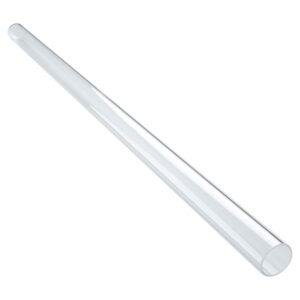
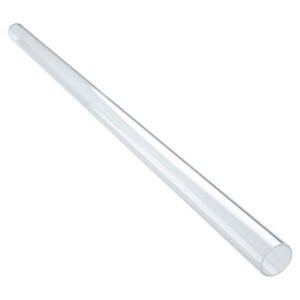
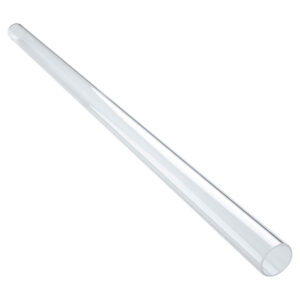
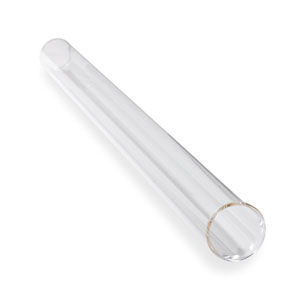
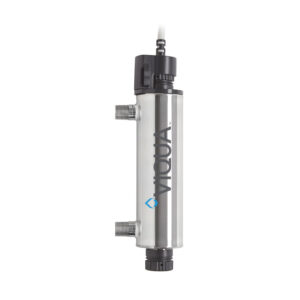

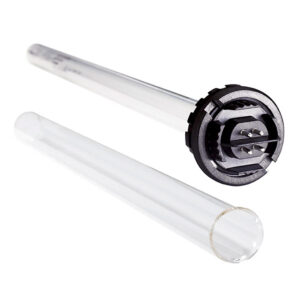
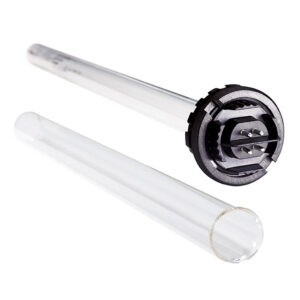
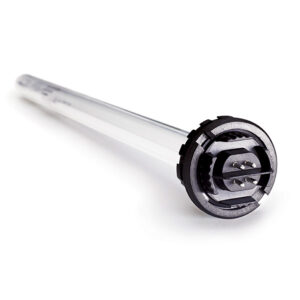
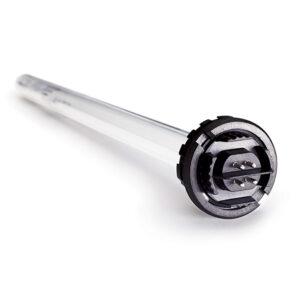
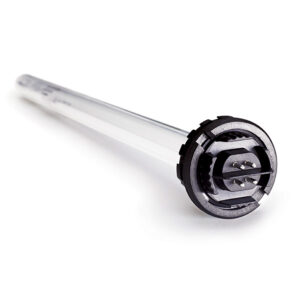
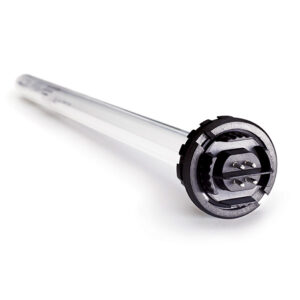
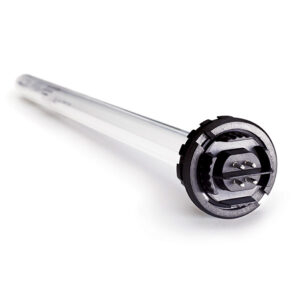
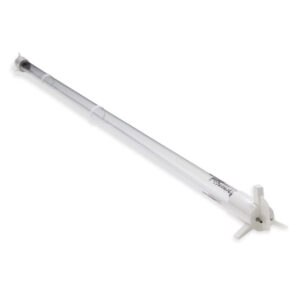
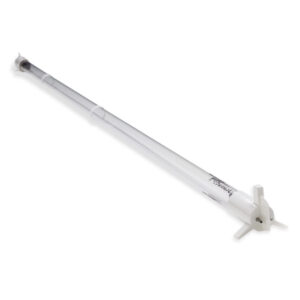
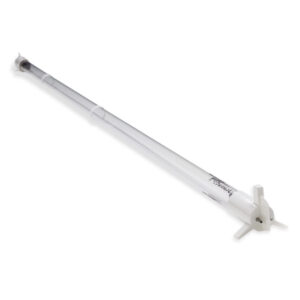
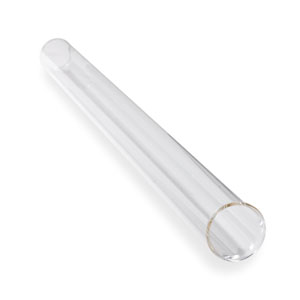
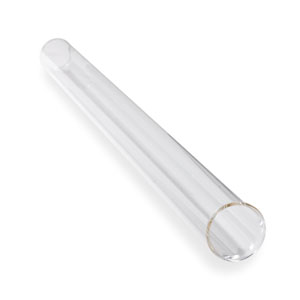
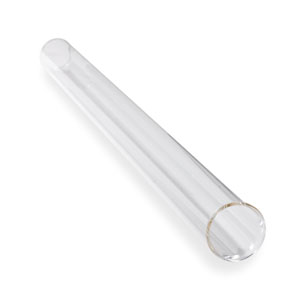
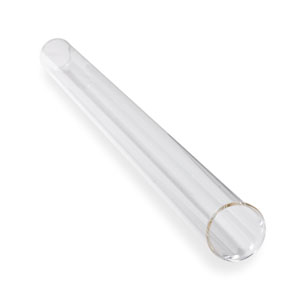
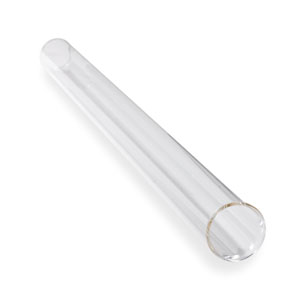
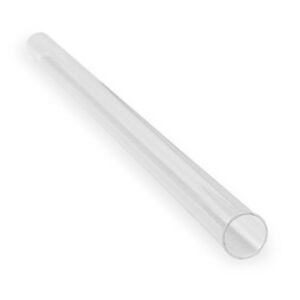
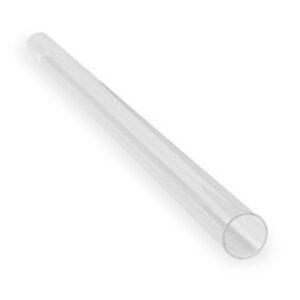
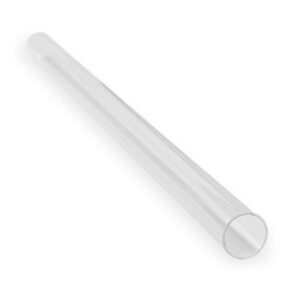
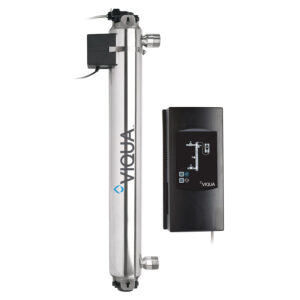
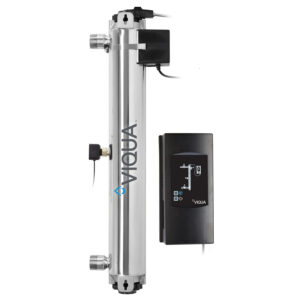

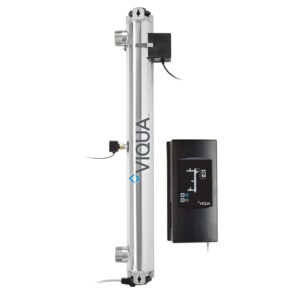
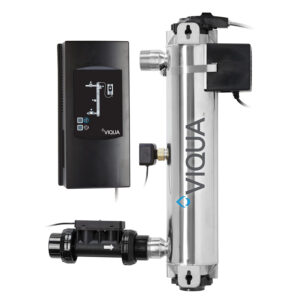
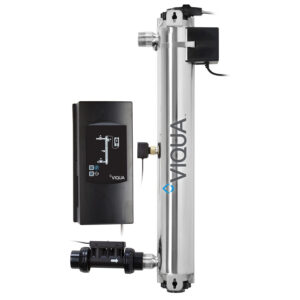
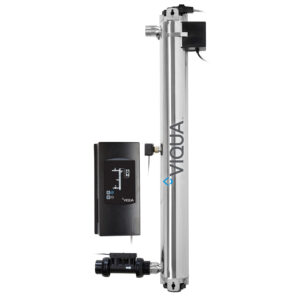
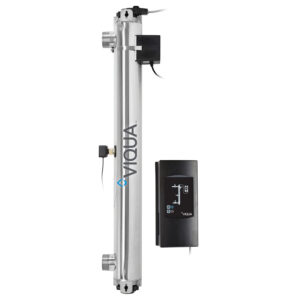
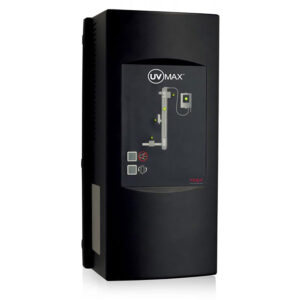
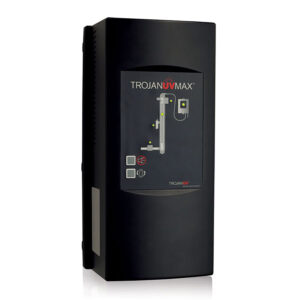
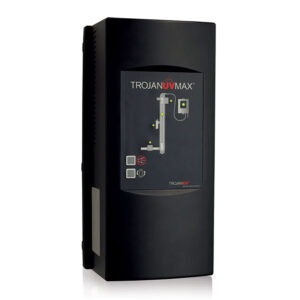
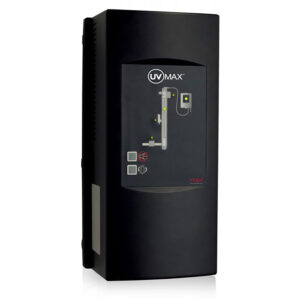
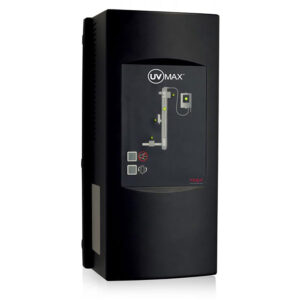
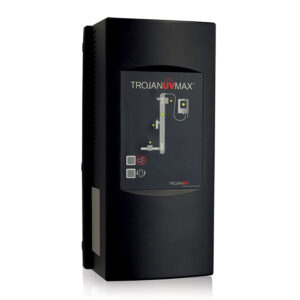
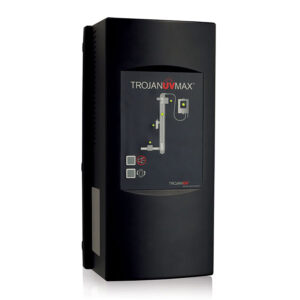
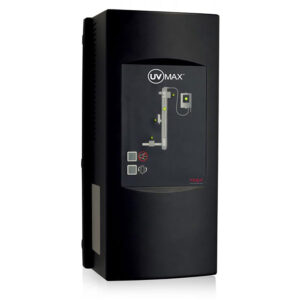
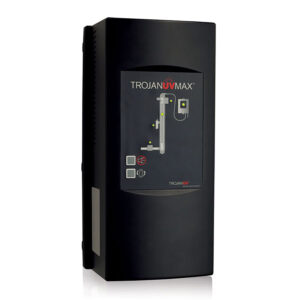
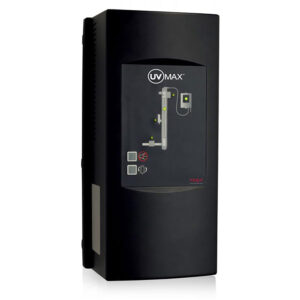
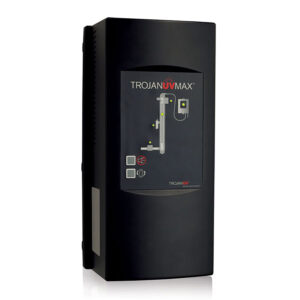
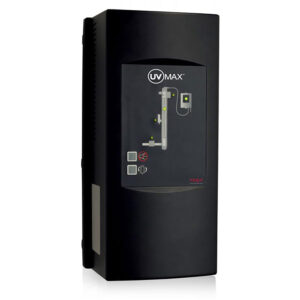
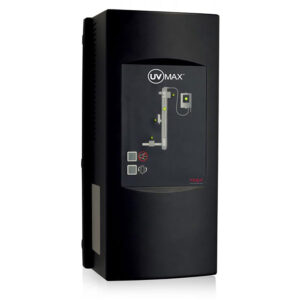
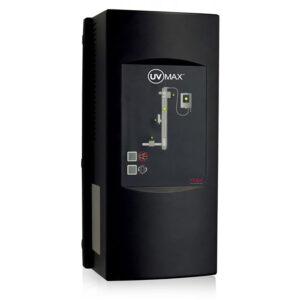
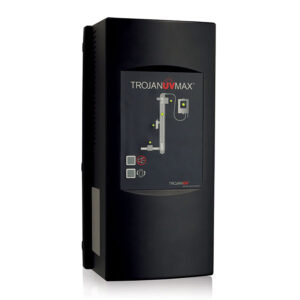
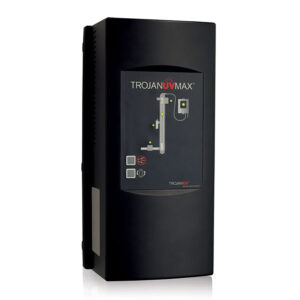
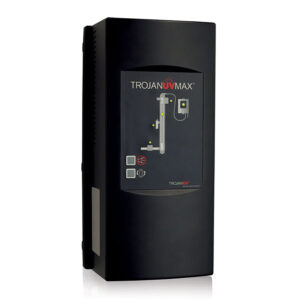
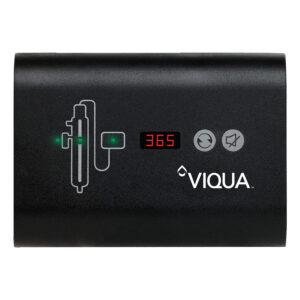
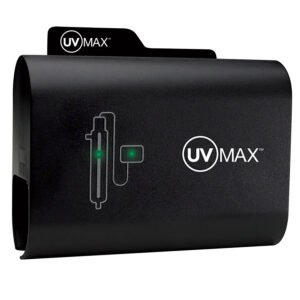
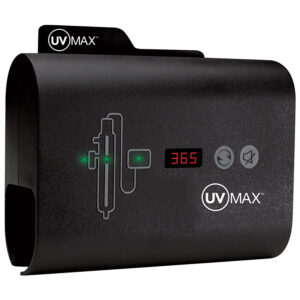
Viqua UV sterilization systems are a popular choice for water disinfection, providing an added layer of protection for your home or facility. UV disinfection exposes water to ultraviolet light as it flows through a stainless-steel chamber, helping to inactivate microorganisms without adding chemicals to the water. On this page, you can shop Viqua UV systems and the replacement parts that keep them performing, including UV lamps, quartz sleeves, and O-rings.
If you are on well water, UV is often considered when disinfection is a priority. If you are on city water, UV may be added for added peace of mind or specific use cases. No matter the application is, the key to good UV performance is choosing the right size for your flow rate and keeping up with routine replacement.
Viqua UV Sterilization System Sizing Basics
UV systems should be sized to your actual peak flow rate, not just the number of people in the home. The goal is to ensure water stays in the UV chamber long enough for practical exposure.
Use this quick sizing approach:
- Identify your peak flow: count how many fixtures can run simultaneously (showers, tubs, laundry, dishwasher, hose bibs).
- Multi-head showers and large tubs increase peak demand quickly.
- Choose a UV system rated to meet or exceed that peak flow.
Why sizing matters:
- If the flow is higher than the UV system is designed for, contact time drops, and performance can suffer.
- If your water is turbid or contains sediment, prefiltration helps UV work more effectively by keeping the chamber and sleeve cleaner.
Recommended pairing:
- Sediment filtration before UV helps protect the system and supports consistent performance.
- If you have odor or chemical concerns, carbon filtration may be used upstream based on your goals.
Replacement Timeline and Maintenance Expectations
Replacement timing depends on usage and water conditions, but these are standard guidelines:
- UV lamp: commonly replaced about every 12 months to maintain output and performance.
- Quartz sleeve: inspect during lamp changes and clean if needed. Replace if it is etched, cloudy, or cannot be cleaned effectively.
- O-rings and seals: replace when servicing if they show wear, flattening, cracks, or leaks.
Practical tip:
If you notice a loss of performance indicators, recurring alarms, visible sleeve buildup, or leak signs at service points, it is a good time to inspect the lamp, sleeve, and seals together.
Product Finder for Viqua UV Sterilization Systems
Use the product finder to match your flow rate and application, then choose the right Viqua system or replacement parts to keep your UV protection performing year after year.
*Choose by flow and application. Start with where the UV system will be installed:
Whole house UV for well water
- Choose a system sized for your full home peak flow.
- Pair with sediment filtration to reduce turbidity and protect the sleeve.
Whole house UV as an added layer for city water
- Size for peak flow and focus on consistent maintenance.
- Consider upstream filtration if you also want taste and odor improvement.
Point of use UV for a specific line
- Size for the flow of that single application.
- Confirm installation space and service access.
Then choose what you need today:
I need a complete UV system.
- Select a system by peak flow and installation location.
I need replacement UV lamps.
- Match your current model number and lamp type exactly.
I need a quartz sleeve or O-rings.
- Match the system model and sleeve length or seal type.
If you are unsure, the safest approach is to match the model number from your current system components before ordering.
FAQs About Viqua UV Sterilization Systems and Replacement Parts
Q: How do I choose the right Viqua UV system size?
A: Size it to your peak flow rate, meaning the maximum water you run at one time. Choose a system rated to meet or exceed that flow.
Q: Do I need filtration before UV?
A: Often yes. Sediment filtration helps UV perform better by reducing turbidity and keeping the sleeve cleaner.
Q: How often should I replace a UV lamp?
A: Many homeowners replace UV lamps about once per year to maintain performance.
Q: What is a quartz sleeve, and why does it matter?
A: The sleeve protects the UV lamp from water while allowing UV light to pass through. A dirty or etched sleeve can reduce effectiveness.
Q: Can UV replace carbon filtration or water softening?
A: No. UV focuses on disinfection. Carbon targets taste and odor, and softening addresses hardness minerals.