Ultraviolet Sterilizer Systems
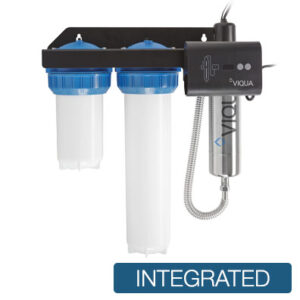
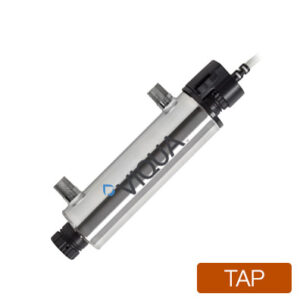
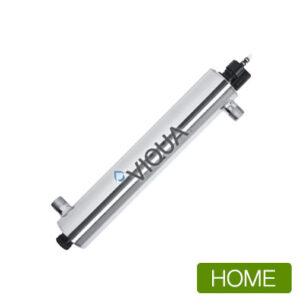
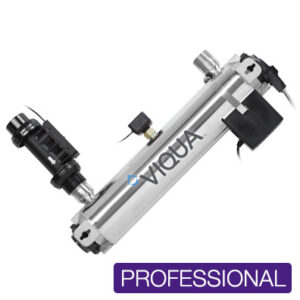
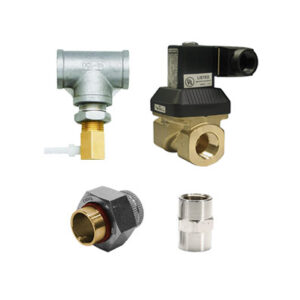
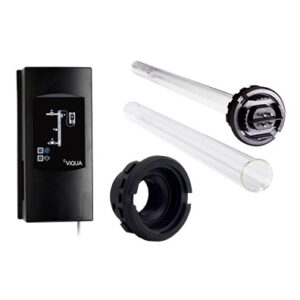
Ultraviolet sterilizer systems disinfect water using UV light as water passes through a stainless-steel chamber. UV does not add chemicals to the water. Instead, it helps inactivate microorganisms, providing your water with an added layer of protection at the whole-house level. UV is most commonly used for well water, but it is also used in specific residential and light commercial applications where disinfection is a priority.
If you are choosing a UV system, the two most important factors are sizing the system to your peak flow rate and maintaining the key service parts that keep UV output consistent.
What Do Ultraviolet Sterilization Systems Do and Not Do?
What UV is used for
- Disinfection support by inactivating microorganisms
- Whole house protection when microbial concerns are present
- Added protection when you want disinfection without chemical dosing
What UV does not do
- UV does not remove sediment or make cloudy water clear
- UV does not reduce chlorine taste and odor
- UV does not soften water or remove hardness minerals
For best results, UV is often paired with prefiltration to reduce turbidity and protect system performance.
How Do I Choose the Right UV System for My Water Needs?
Step 1: Size by peak flow
UV performance depends on contact time. Choose a system rated to meet or exceed your maximum flow when multiple fixtures run at once.
Quick sizing method
- Count simultaneous fixtures: showers, tubs, laundry, dishwasher, hose bibs
- Large tubs and multi-head showers increase peak demand quickly
- Choose a system rated above your expected peak flow for a safety margin
Step 2: Confirm water conditions and prefiltration
UV works best when the water is clear enough for UV light to transmit effectively. Sediment and turbidity can reduce performance. Many UV setups include sediment prefiltration upstream to protect the chamber and sleeve.
Step 3: Confirm installation fit
- Whole house installation location on the main line
- Space for the chamber length and service access
- Power supply location for the controller
- Plumbing connection sizes and orientation
Why Choose an Ultraviolet Sterilizer System for Water Filtration?
Ultraviolet sterilization has been proven highly effective at removing various harmful microorganisms, including bacteria, viruses, and protozoa. They have been extensively tested and validated by regulatory bodies like the U.S. Environmental Protection Agency (EPA) for their reliable water disinfection capabilities.
Drastically Reduces Chemicals in Drinking Water
Unlike traditional methods that use chemicals for disinfection, ultraviolet sterilizer systems utilize ultraviolet light to kill microorganisms. This not only eliminates the need for potentially harmful chemicals but also ensures no residual taste or odor in the water.
Easy to Install and Low Maintenance
Once installed (which you can do yourself), these systems continuously purify your water with minimal effort on your part.
Environmentally Friendly Appliance
UV sterilization is a chemical-free method that does not require additional disinfectants. Unlike traditional chlorine-based methods, UV sterilization does not produce harmful byproducts or alter the taste, odor, or color of the water. Water filtration systems using UV light are also designed to be energy-efficient, consuming little power while delivering optimal results.
How Ultraviolet Sterilizer Systems Work
These water filtration systems use ultraviolet (UV) light to disinfect the water by destroying the DNA of bacteria, viruses, and other pathogens.
- The core component is the UV lamp, which emits a specific wavelength of UV light lethal to microorganisms.
- As water flows through the system, it is exposed to this UV light, penetrating the cells of the microorganisms and disrupting their genetic material.
- This prevents microorganisms from reproducing, rendering them unable to cause infections or diseases.
Critical Features to Count for in Ultraviolet Sterilizer Systems
A system’s flow rate determines how quickly water can pass through the sterilizer. Choose a UV system that can handle your household’s or establishment’s water demand, based on the number of faucets, showers, or appliances that use water simultaneously.
Ease of maintenance is crucial for the long-lasting performance of your ultraviolet sterilizer system. Look for a system that is easy to clean and maintain, with replaceable UV lamps and quartz sleeves. Regular maintenance is necessary to ensure the system continues to operate at its best and provides optimal sterilization.
The system’s size and installation requirements should fit well within your available space and can be easily installed yourself or, if necessary, by a professional. It’s also worth considering if the system comes with additional features, such as alarms or indicators, to notify you of any issues or maintenance needs.
Maintenance Expectations for UV Systems
UV systems require routine service to maintain performance.
Common maintenance items
- UV lamp replacement: Many systems replace lamps about once per year to maintain output
- Quartz sleeve inspection: Clean or replace if cloudy, etched, or scaled
- O-rings and seals: Replace when worn or during service if they show flattening or cracking
If you want consistent protection, routine lamp replacement and sleeve condition are the most important factors.
FAQs on Ultraviolet Sterilization Systems
Q: Do UV sterilizer systems make water safe to drink?
A: UV helps inactivate microorganisms, but overall water safety depends on your water source and total treatment approach. Many systems pair UV with filtration.
Q: Is UV mainly for well water?
A: UV is most common for well water, but it can also be used when disinfection is a priority in other applications.
Q: How do I size a UV system for my home?
A: Size it to your peak flow rate, meaning the maximum number of fixtures you run at once. Choose a system rated to meet or exceed that flow.
Q: Do I need a sediment filter before UV?
A: Often yes. Prefiltration helps reduce turbidity and keeps the sleeve cleaner, which supports UV performance.
Q: How often do I replace a UV lamp?
A: Many homeowners replace UV lamps about once per year to maintain output, even if the lamp still turns on.
Q: Will UV remove chlorine taste and odor?
A: No. UV is for disinfection. Carbon filtration is typically used for chlorine taste and odor.
Q: Will UV soften water or remove minerals?
A: No. Hardness minerals require water softening or scale-focused treatment.
Q: What happens if the quartz sleeve is dirty?
A: A dirty or scaled sleeve can block UV light and reduce effectiveness. Inspect and clean the sleeve during lamp changes.
Choose a UV sterilizer system sized for your peak flow, then keep performance strong with on-time lamp replacements and clean, well-maintained sleeves.