Find the Right Filtration Water System
Choosing the right filtration water system starts with one question: what water problem are you trying to solve? Some systems are best for drinking water at a single faucet, others are built for water quality throughout the home, and others are designed for specific issues such as hardness, microbes, sediment, or chlorine. Testing first and matching the system to the actual issue is the smartest way to choose.
Role/expertise: Water filtration supplier and product specialists with experience in reverse osmosis, under-sink, whole-house, UV, water softener, well water, and commercial system selection
Last reviewed: June 2, 2026
Primary sources consulted: CDC, EPA, NSF, USGS, WHO, and H2O Distributors system guides.
What is a Filtration Water System?
A filtration water system is a treatment device or group of devices used to reduce specific contaminants or water-quality problems. Different technologies address different issues. Water filters vary in what they remove, and treatment technologies are chosen based on the contaminant or treatment goal, not as one-size-fits-all solutions.
Signs You May Need a Filtration Water System
Not every water problem looks the same. Some issues are obvious, while others require testing.
Common signs include:
- chlorine taste or odor
- cloudy water or visible sediment
- staining on fixtures
- hard water scale
- rotten egg odor
- poor-tasting drinking water
- concern about bacteria, viruses, or parasites
- a known contaminant in a water report
- water issues affecting one faucet or the whole home
The CDC advises against relying solely on taste, smell, or appearance, because harmful germs and chemicals may not change how water looks or tastes.
Health and Home Impacts of Drinking Contaminated Water
Some water issues are mostly nuisance problems. Others can affect health, plumbing, or appliance life.
Possible home impacts:
- scale buildup in pipes and water heaters
- reduced appliance efficiency
- clogged fixtures and cartridges
- unpleasant taste or odor
- staining on sinks, tubs, and laundry
Possible health-related concerns:
- microbiological contamination in untreated or poorly protected water sources
- chemical contaminants that require certified treatment
- private well contaminants that may go unnoticed without testing
How Do I Test My Water to Decide What Filtration Water System is Best?
- Review your local water-quality report if you use municipal water
- Use a state-certified lab when household-specific testing is needed
- Test private well water regularly
- Focus testing on the issue you suspect, such as hardness, iron, bacteria, lead, PFAS, chlorine, or sediment
- Keep the results so treatment can be matched to the actual problem
The USGS directs well owners to use county resources, state-certified labs, or state and local health contacts for testing. We recommend testing your water and selecting a system that removes the chemicals or germs you are concerned about.
Best Treatment Options by Filtration Water System Type
Reverse Osmosis Systems (RO Systems)
- point-of-use drinking water systems commonly installed under a sink
- a strong fit when the goal is high-level drinking-water purification and broader reduction of dissolved contaminants
- one of the purest drinking-water options due to its broad contaminant-reduction role
- among recognized drinking water treatment technologies by the EPA
Best for:
- drinking and cooking water
- dissolved contaminant reduction
- households that want stronger point-of-use purification
Keep in mind:
- RO is usually for one drinking-water tap, not the entire home
- filter and membrane replacement matter for ongoing performance
Reverse Osmosis
(Under Sink)
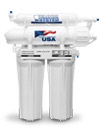
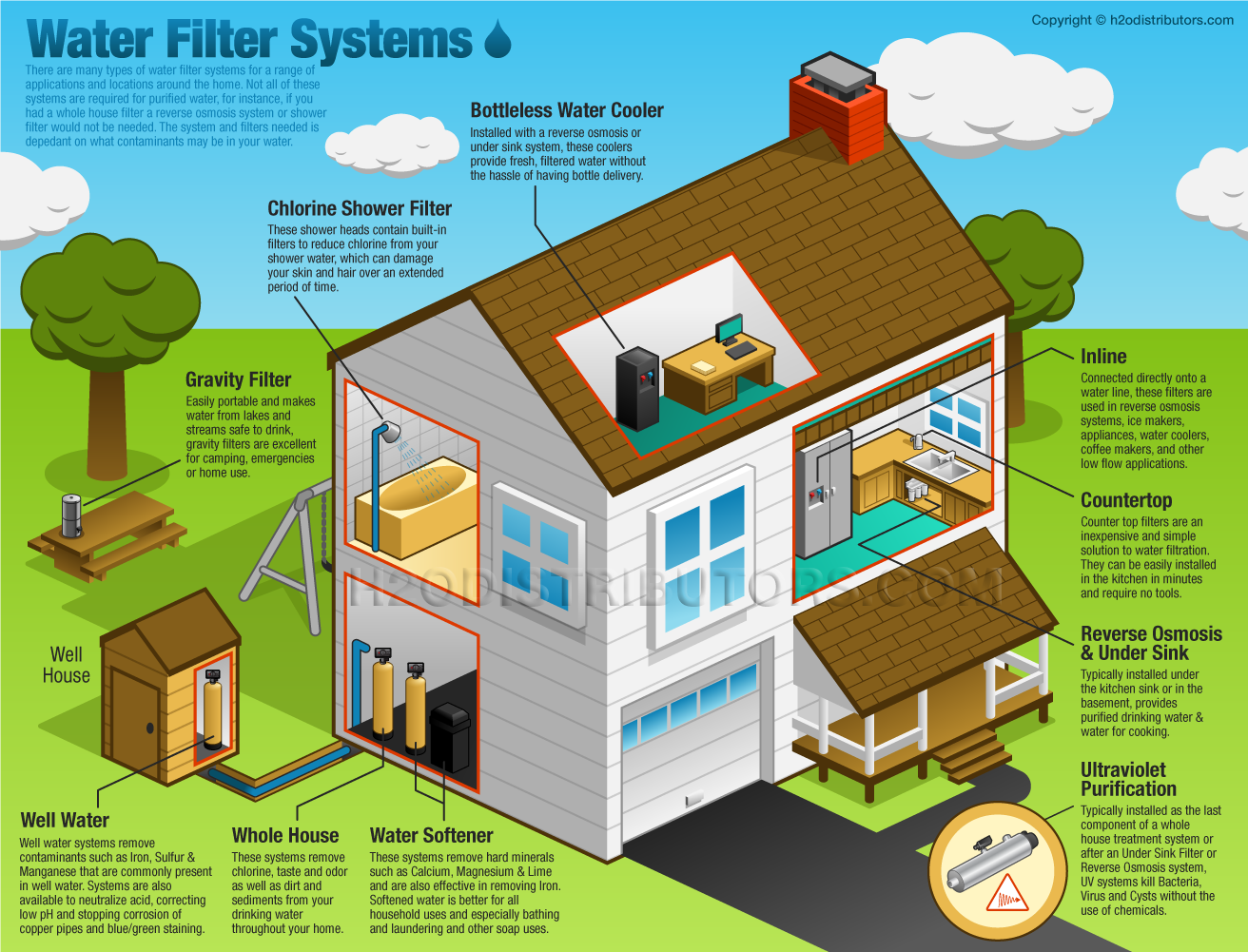
Reverse osmosis water filtration systems can remove 90% of total dissolved solids (TDS) from water and can provide the purest water available for your home. Reverse osmosis water filters remove a wide range of contaminants and minerals from your drinking water, including sand, chlorine, fluoride, cryptosporidium, and hexavalent chromium.
Under-Sink Filters
- point-of-use systems that improve drinking water at one faucet
- keeps beneficial minerals in the water
- often easier to maintain than reverse osmosis systems
- typically do not create wastewater
Best for:
- taste and odor improvement
- drinking-water filtration at one tap
- households that want easier maintenance than RO
Under Sink Filters
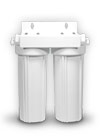
Under sink water filters remove contaminants from water like a reverse osmosis (RO) systems but leave in minerals like calcium and fluoride. Under sink filters are easier to maintain, have a higher flow rate & water pressure than RO systems, and unlike RO systems, they produce no waste water.
Ultraviolet Sterilization Systems
- designed for microbiological treatment
- treatment methods differ in what they remove
- generally used when microbes are the concern rather than sediment or dissolved chemicals
- a practical treatment option for drinking water and food preparation when microbial control is needed.
- focused on microbial performance, according to a WHO (World Health Organization) UV study
Best for:
- bacteria
- viruses
- parasites and other microbiological concerns
Keep in mind:
- UV is not a catch-all solution for chemicals or hardness
- Water clarity and proper maintenance matter for good performance
Ultraviolet Purification
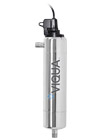
UV water purification can be more effective than chemicals in destroying certain waterborne contaminants without altering the taste of the water. This makes it a practical process for treating water that is used for drinking and food preparation.
Countertop Filters
- a simple point-of-use option that can often be installed quickly without tools
- commonly used when convenience, low upfront cost, and easier setup matter most
- options include GAC, KDF, carbon block, and ceramic media
Best for:
- renters
- simple kitchen filtration
- lower-cost drinking-water improvement
Countertop
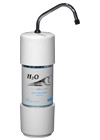
Counter top filters are an inexpensive and simple solution to home water filtration. Counter top systems can be easily installed in the kitchen in minutes and require no tools. These systems come with granular activated carbon (GAC) media, KDF media, carbon block cartridge, or ceramic cartridge inside.
Portable Gravity Filters
- Useful for emergency use, camping, and off-grid situations such as field use and water from lakes or streams
- Can also work for microbial performance in decentralized settings
Best for:
- emergency preparedness
- outdoor and camping use
- situations where pressurized plumbing is not available
Portable Gravity
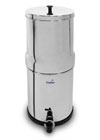
Due to their effectiveness at eliminating water-born diseases such as cholera, typhoid, E. Coli, etc., these water filters are being specified for field operations by many of the world’s major aid and emergency relief organizations. Easily portable and makes water from lakes and streams safe to drink, gravity filters are excellent for camping, emergencies or home use.
Shower Filters and Inline Filters
- shower filters used at the point of use for shower water, often for chlorine reduction
- inline filters commonly used as RO post-filters and for low-flow applications such as ice makers, appliances, coffee makers, and water coolers
Best for:
- shower chlorine reduction
- polishing water after an RO tank
- low-flow appliance applications
Shower Filters
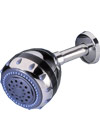
We carry a wide assortment of shower head filters with multiple features and finishes to suit any decor. Many of our shower filters have multi-function sprays to turn an ordinary shower into a luxuriating experience. And most of our shower heads contain built-in filters to reduce chlorine from your shower water, which can damage your skin and hair over an extended period of time.
Whole House Carbon Filters
- treat water before it enters the rest of the home
- options separate into non-backwashing carbon filters, backwashing carbon filters, large backwashing systems for estate homes, and replacement tanks
Best for:
- chlorine reduction throughout the home
- improving shower, faucet, and utility water
- larger homes that need point-of-entry treatment
Common formats:
- non-backwashing carbon filters for smaller homes
- backwashing systems for larger homes and lower-maintenance operation
- estate-home high-flow systems for large properties
Non-Backwashing Carbon Filters
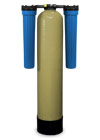
Non-backwashing systems are smaller, low-priced systems that use replaceable cartridges to remove sediment. These systems are ideal for smaller homes seeking to remove chlorine from all faucets, showers and utilities in the home.
Backwashing Carbon Filters
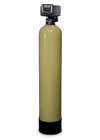
Backwashing Systems are larger systems that remove sediment automatically by backwashing the system with water. This lifts the media bed and rinses sediment particles to the drain and re-grades the carbon bed. These systems are ideal for consumers who seek lower maintenance and have larger homes.
Water Softeners
- address hardness minerals such as calcium and magnesium
- iron reduction
- drastically reduce scale buildup, poor soap performance, or hard water residue
- not to be used for chlorine or microbiological contamination
Best for:
- hard water
- scale buildup
- soap inefficiency
- some iron-related residential issues
Water Softeners
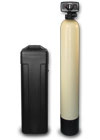
Water softeners remove magnesium, calcium and iron by exchanging these ions with sodium ions in a resin bed . These can cause you to have ‘hard water’, which causes limescale to build up on pipes and soaps and detergents to be much less effective. View a map of water hardness areas in the United States.
Well Water Systems
- usually more problem-specific than a general city-water filter
- common targets: iron, manganese, hydrogen sulfide, pH balance, and sediment
- private well owners responsible for the safety of their well water, which makes testing especially important
Best for:
- private well homes
- iron and manganese problems
- sulfur odor
- acidic water
- sediment issues
Well Water
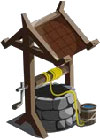
Well water systems remove elements, such as iron, manganese and hydrogen sulfide, that commonly build up in private wells and also stop the corrosion of copper pipes. There are also models that can balance pH or remove sediment in addition to this.
Commercial Systems
- designed for heavier flow, more customization, and business-specific applications
- options include multi-cartridge stainless housings, single-cartridge housings, Everpure commercial systems, and Big Bubba industrial housings for higher-demand uses
Best for:
- restaurants and foodservice
- offices and facilities
- larger-volume filtration
- specialized high-flow applications
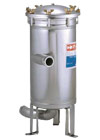
Multi-Cartridge Housings
Heavy duty commercial systems constructed out of stainless steel with a wide variety of ordering options to customize the system to your needs. These systems hold multiple cartridges and sizes from (4) to (22) between 10-40″ in length.
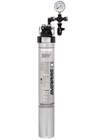
Everpure Commercial
Everpure offers a variety of systems for different applications; drinking water, coffee, fountains, icemakers, combo and steam systems. All Everpure systems use easy to replace cartridges.
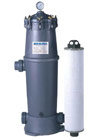
Big Bubba Industrial System
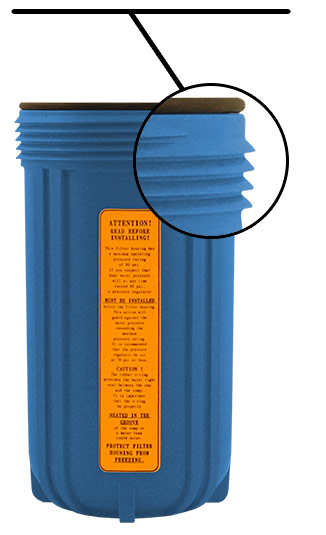
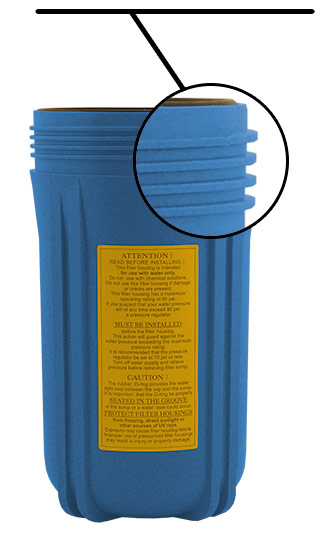
Big-Bubba filter housings are made of rugged, glass-reinforced polypropylene so they will not chip, rust, or dent. And because all wetted surfaces are non-metallic, they are ideal when chemical compatibility is an issue and for sea water applications.
How to Choose the Right Filtration Water System
Identify the actual problem and where that problem shows up.
Choose reverse osmosis when:
- the main goal is purified drinking water
- the issue affects one drinking-water tap
- dissolved contaminant reduction is a priority
Choose an under-sink filter when:
- you want filtered water at one faucet
- easier maintenance and no wastewater matter more than maximum purification
- the main issue is taste, odor, or point-of-use filtration
Choose UV when:
- microbiological treatment is the concern
- the water source may carry bacteria, viruses, or parasites
- you understand UV does not replace all other treatment types
Choose a whole-house system when:
- the issue affects showers, sinks, laundry, and appliances
- chlorine or general water-quality concerns are present throughout the home
- point-of-entry treatment makes more sense than faucet-only treatment
Choose a water softener when:
- hard water minerals are the main issue
- scale and spotting are the real problem
- the goal is conditioning rather than standard filtration
Choose a well-water system when:
- the home uses a private well
- testing shows iron, manganese, sulfur, sediment, or pH issues
- treatment needs are more specific than a general carbon filter
Choose a commercial system when:
- the application needs higher flow
- the installation is for foodservice, facilities, or business use
- housings or cartridges need to support heavier demand
Frequently Asked Questions on Filtration Water Systems
Q: What is the best filtration water system for drinking water?
A: It depends on the concern, but reverse osmosis is often chosen for stronger point-of-use purification, while under-sink systems are often chosen for easier maintenance and better-tasting water at one faucet.
Q: How do I know whether I need a whole-house filter or an under-sink system?
A: Choose a whole-house system when the issue affects water throughout the home. Choose an under-sink system when the problem is mainly at one drinking-water tap.
Q: Does UV remove chemicals and hard water minerals?
A: UV is generally used for microbiological treatment, not as a primary solution for chemical reduction or hardness.
Q: Can taste and smell tell me which filter I need?
A: No. CDC says taste, smell, and appearance are not always reliable indicators of water safety, so testing is often necessary.
Q: Why is water testing important before buying a system?
A: Testing helps match the treatment technology to the actual contaminant or water-quality problem instead of guessing based on symptoms alone.
Q: When does a water softener make more sense than a filter?
A: A softener makes more sense when hardness minerals such as calcium and magnesium are causing scale and soap-performance problems.
Start with the water problem, confirm it with testing when needed, and choose the filtration system that fits your home, your water source, and your treatment goals.

Aquariums
Aquariums need three types of filtration to maintain a healthy environment for freshwater, saltwater or amphibian aquariums (sediment filtration, carbon filtration, and removal of biological contaminants).

Automotive/RV
When traveling around the state or the country in a RV you might not always know where you will be getting the water from or what might be in it. Water that is stored in a RV holding tank will not stay potable for long and can become a breeding ground for algae and bacteria.

Botany
Chemicals added to public water supplies, like chlorine, can be harmful to the living cells of plants.
Homebrewing
When brewing beer with tap or bottled water, chlorine and chloramine present in the water can combine with malt phenols in the wort to create a compound called chlorophenol, which can give the beer a medicinal taste.
More Links
Water Filter Cartridges Guide
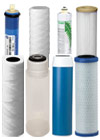
This guide can help you find out what cartridge you need to replace or the type you would need to remove a specific contaminant.
Drinking Water Contaminants
A list of water contaminants and their possible health effects. Click on contaminant link names for more detailed information about a specific contaminant.

A boil-water advisory or boil-water order is a public health advisory or directive given by government or health authorities to consumers when a community’s drinking water is, or could be, contaminated by pathogens.

Learn how to make an emergency water filter for disaster situations out of some common items.
This method does work and can keep you heathly if clean potable water or a manufactured water filter system are unobtainable.

The Hydrologic Cycle (also called the Water Cycle) is the continuous movement of water in the air, on the surface of and below the Earth.
This cycle is the exchange of energy which influences climate. When water condenses, it releases energy and warms the environment.

90% of the garbage floating in the Earth’s oceans is plastic and less than 5% of all plastic is recycled.
The patch mostly consists of pelagic plastics, formed from plastic bags, plastic water bottles, bottle caps and styrofoam.

Hydraulic fracturing (sometimes referred to as fracking or hydrofracking) is a relatively new form of natural gas extraction.
The fluids used in the fracking process flow back to the surface, often entering the water table or polluting the drilling area, and sometimes improper disposal of waste water from the wells.
As our technology advances, so do new forms of pollution and contaminants that effect our environment and our health.
Read more about drinking water contaminants and their health effects.
Chlorine has long been recognized as an oxidative agent, meaning that it not only kills the germs in the water supply; it will damage any living tissue with which it comes in contact. And your skin, like the rest of your organs, is living tissue. But that’s not the only problem.
Since the discovery of its health benefits in the mid-1940’s, fluoride is often added to the public water supplies of industrialized countries in order to reduce the populations tooth decay, which is especially effective in low income communities, where good dental hygiene may be too costly.
Chromium-6 was found in the drinking water supply of the southern California town of Hinkley and brought to national attention by Erin Brockovich.
The EPA is reviewing effects of Chromium-6 after a recent report brought to light dangerous levels in a number of major US cities.

Giardia is a flagellated protozoan parasite that colonizes and reproduces in the small intestines of humans and other animals, which can cause giardiasis.
Symptoms of Giardiasis usually show after 3 to 4 days, and include gastrointestinal and constitutional problems.

Cryptosporidiosis is a disease caused by the parasite Cryptosporidium parvum.
Since a outbreak in 1993 in Wisconson, new attention has been focused on determining and reducing the risk for Cryptosporidiosis from community and municipal water supplies.
What is reverse osmosis? What is a 4-Stage system? What are the components in a system? Visit our ‘How Reverse Osmosis Works‘ guide to find the answers.
Also see out list of contaminants RO removes and comparison chart for particle sizes to learn more about reverse osmosis.

What is ultraviolet light? Do I need to filter the water before the UV process? How exactly can light kill organisms?
Visit our ‘How Ultraviolet Purification Works‘ guide to find out how it works.

The typical water softener is a mechanical appliance that’s plumbed into your home’s water supply system. All water softeners use the same operating principle: They trade the minerals for something else, in most cases sodium. The process is called ion exchange. More…

Step by step instructions on installing replacement cartridges and sanitizing filter housings. It is highly recommended that you clean and sanitize your system once a year.
Need help installing your new RO system, how to perform maintenance, or how often to change your cartridges?
View our printable Reverse Osmosis Installation Guide to learn more.
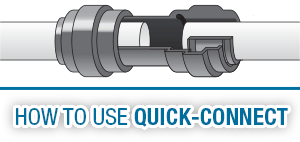
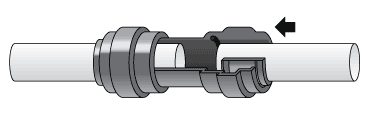
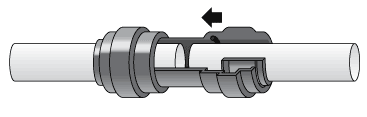
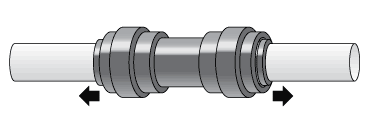
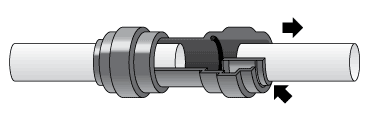
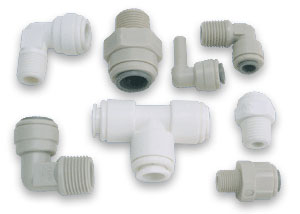
Step by step instructions on making a connection with Quick-Connect fittings. Quick-connect fittings allow you to connect and disconnect tubing without the need of tools. For larger, plumbing size fittings read our using twist lock guide.
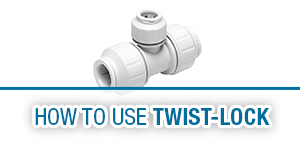
Step by step instructions on making a connection with Twist and Lock fittings. Twist-Lock fittings allow you to connect and disconnect tubing without the need of tools.

Step by step instructions on making a connection with SharkBite Push-To-Connect fittings. SharkBite fittings allow you to connect and disconnect pipes without the need of using PVC glue or welding copper.

Need to filter water but not sure about the differences between or applications of our systems?
Use our Water Filter Systems Guide to find out which system is best for your filtration needs.
Need to replace your system’s cartridges but not sure what type is best for your system?
View our Cartridge Replacement Guide or contact us to find out what you need.
View a chart comparing the specifications of all the reverse osmosis systems we sell on this site. All bladder tanks are NSF certified.

The size of your water softener depeneds on the total grain per day that need to be removed.
This is determined by the number of people in your household, grain per gallon (GPG) hardness and the amount of Iron present in the water.

A micron is a unit of measurement for how small of particles a filter will catch. The lower the micron size, the tinier the ‘holes’ in the filter cartridge are that allows water to pass through, ranging from 0.1 absolute to 150 microns.
Use our Pore Size Efficiency Guide to find out what micron size to use.
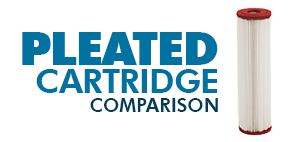
Pleated sediment cartridges remove dirt, rust and sediment from water while providing an increased surface area and longer life. Pleated filters down to 5 microns are washable and reusable.
Use our Pleated Sediment Cartridge Comparison to find the filter cartridge you need.
Aquariums need three types of filtration to maintain a healthy environment for freshwater, saltwater or amphibian aquariums (sediment filtration, carbon filtration, and removal of biological contaminants).

When traveling around the state or the country in a RV you might not always know where you will be getting the water from or what might be in it. Water that is stored in a RV holding tank will not stay potable for long and can become a breeding ground for algae and bacteria.
Chemicals added to public water supplies, like chlorine, can be harmful to the living cells of plants.
When brewing beer with tap or bottled water, chlorine and chloramine present in the water can combine with malt phenols in the wort to create a compound called chlorophenol, which can give the beer a medicinal taste.
View our Filtered Water for Home Beer Brewing guide.

Bottled water requires a lot of resources to manufacture and ship, and costs a lot more than reverse osmosis water.
Use our Bottled Water Cost Calculator to find out how much of an impact you have on the environment.