How to Install a Reverse Osmosis System: Step-by-Step Guide

How to Install a Reverse Osmosis System Step-by-Step Guide

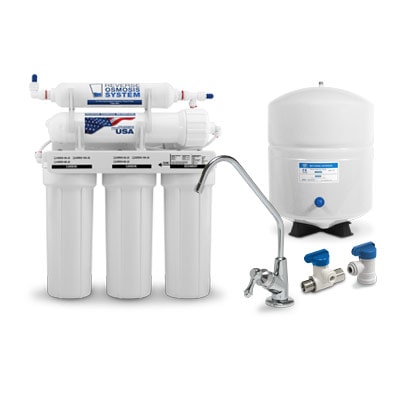
If you prefer to install something yourself, always follow a professional guide. Below is our step-by-step instructions on how to install a reverse osmosis system, written by our water filtration experts. A reverse osmosis system removes impurities and contaminants in water with a semi-permeable membrane, a type of advanced water filtration technology. […]

Read More… from How to Install a Reverse Osmosis System: Step-by-Step Guide
How Do Reverse Osmosis Water Filters Work?

How Do Reverse Osmosis Water Filters Work

Homeowners and business owners interested in buying reverse osmosis home systems commonly ask, “How do reverse osmosis water filters work?” This question aims to understand precisely how reverse osmosis (RO) improves tap water. RO technology utilizes a natural process to effectively minimize impurities from water. […]

Read More… from How Do Reverse Osmosis Water Filters Work?

Does Reverse Osmosis Remove Lead? Yes, and Other Toxins

Does Reverse Osmosis Remove Lead Yes, and Other Toxins

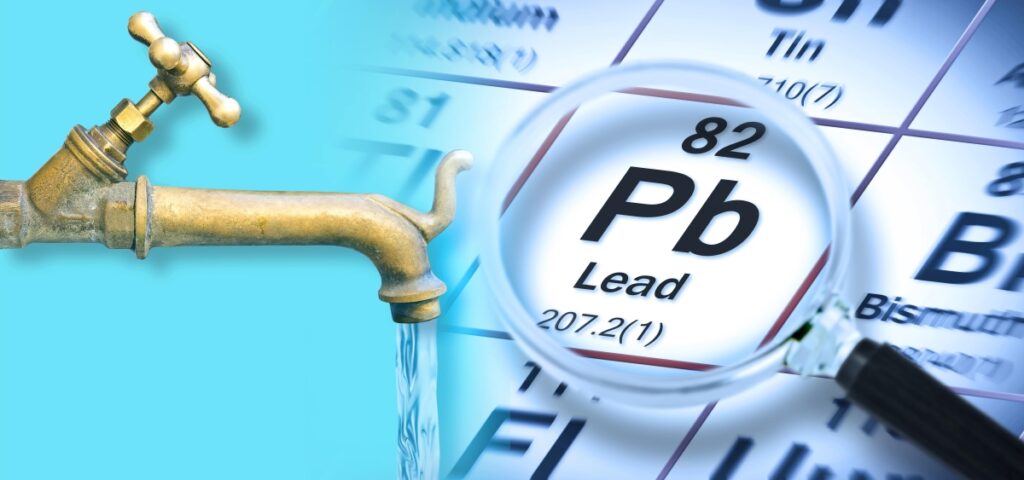
Does reverse osmosis remove lead from water? Yes, reverse osmosis drastically reduces lead and many other contaminants in water. If you’re looking for a water filtration system for your home or business, reverse osmosis (RO) systems are an excellent choice for safe drinking and bathing water. The general consensus is that there is no “safe amount” of lead in a water supply, as any amount of lead is a hazardous amount. It can be absorbed through the skin and accumulate in the body over time. Lead in drinking water poses serious health risks that should not be overlooked. Exposure to lead can cause a range of health issues, particularly in children and pregnant women. […]

Read More… from Does Reverse Osmosis Remove Lead? Yes, and Other Toxins

What is TDS? A Reverse Osmosis Water Filter Removes TDS

What is TDS A Reverse Osmosis Water Filter Removes TDS

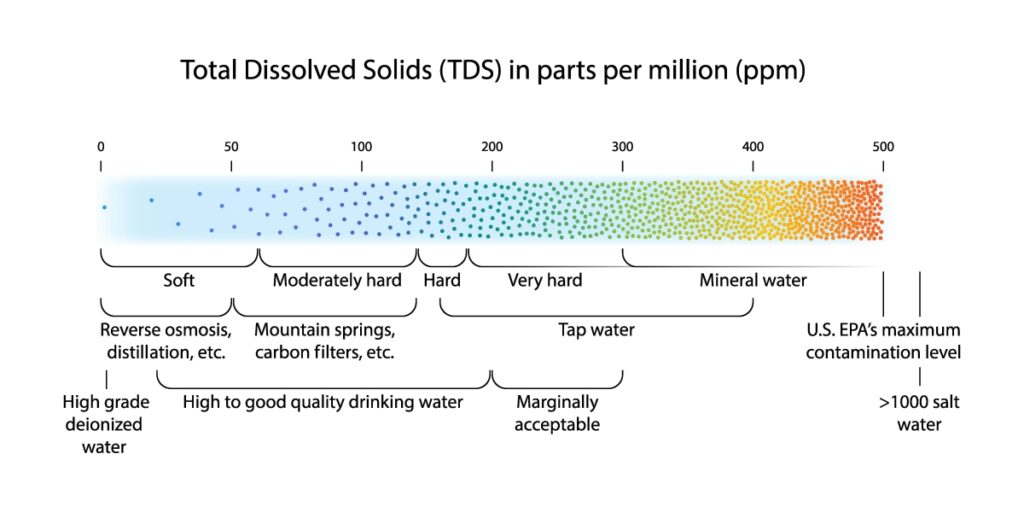
What is TDS? A reverse osmosis water filter can significantly reduce Total Dissolved Solids (TDS) in your home or business’s tap water. Measuring TDS in drinking water is key because it indicates water quality and whether it’s drinkable. A TDS measurement is also helpful in determining the suitability of water for drinking, irrigation, or industrial use. A reverse osmosis water filtration system is an excellent choice for reducing high TDS levels and other contaminants that contribute to unsafe, bad-tasting, cloudy, or foul-smelling tap water. […]

Read More… from What is TDS? A Reverse Osmosis Water Filter Removes TDS